
Finding Your Way Back: The Journey of Trauma Recovery
Trauma isn't just a "bad memory";
It’s a physiological and emotional imprint that changes how your brain processes the world. At its simplest, trauma is a lingering shock to your system. It usually happens when you feel a deep sense of fear, helplessness, or a threat to your safety. Whether it stems from a single event or years of "small-t" traumas, the impact can feel like living in a house where the alarm system is permanently stuck in the 'on' position.
Just as a physical wound happens when something hits your body harder than your skin can handle, emotional trauma happens when an experience is so overwhelming that your brain doesn't have the tools to process it in the moment.

Recovery from Trauma
isn't about erasing what happened—it's about upgrading that alarm system so you can finally feel safe in your own skin again.
Understanding the "Survival Brain"
When we experience trauma, the amygdala (our brain's smoke detector) goes into overdrive. Meanwhile, the prefrontal cortex (the part responsible for logic and calm) often goes offline. This is why you can’t simply "think" your way out of a flashback or an anxiety attack. Your body is reacting to a perceived threat that your mind knows is in the past.
Normally, our brains process memories like filing papers into a cabinet. We experience something, we learn from it, and we "file" it away as a past event.
When trauma occurs, the brain’s "filing system" breaks down because it's in survival mode. Instead of being filed away, the memory stays "live" and stuck in the present. This is why people with trauma might feel like the danger is happening right now, even if it was years ago.
Pillars of the Healing Process
The good news is that because the brain is "plastic" (meaning it can change), trauma doesn't have to be a life sentence. Healing usually involves:
* Establishing Safety
You cannot heal in the same environment that made you sick. This means physical safety, yes, but also emotional safety. This might involve setting firm boundaries with toxic people or creating a "sensory toolkit" (weighted blankets, calming scents, or grounding playlists) to use when you feel triggered.
* Regulating the Nervous System
Since trauma lives in the body, healing often starts there. Somatic practices—like deep breathing, yoga, or even "shaking out" tension—help signal to your nervous system that the danger has passed.
* The Power of "Titration."
In trauma work, less is often more. Titration is the process of processing small "bits" of trauma at a time. Diving head-first into your darkest memories can lead to re-traumatization. Think of it like physical therapy: you don't run a marathon on a broken leg; you start with small, intentional movements.
* Rewriting the Narrative
Trauma often leaves us with "stuck points"—beliefs like “It was my fault” or “I am permanently broken.” Healing involves gently challenging these stories and replacing them with the truth: you survived, and your reactions were a brilliant (if painful) adaptation to an impossible situation.
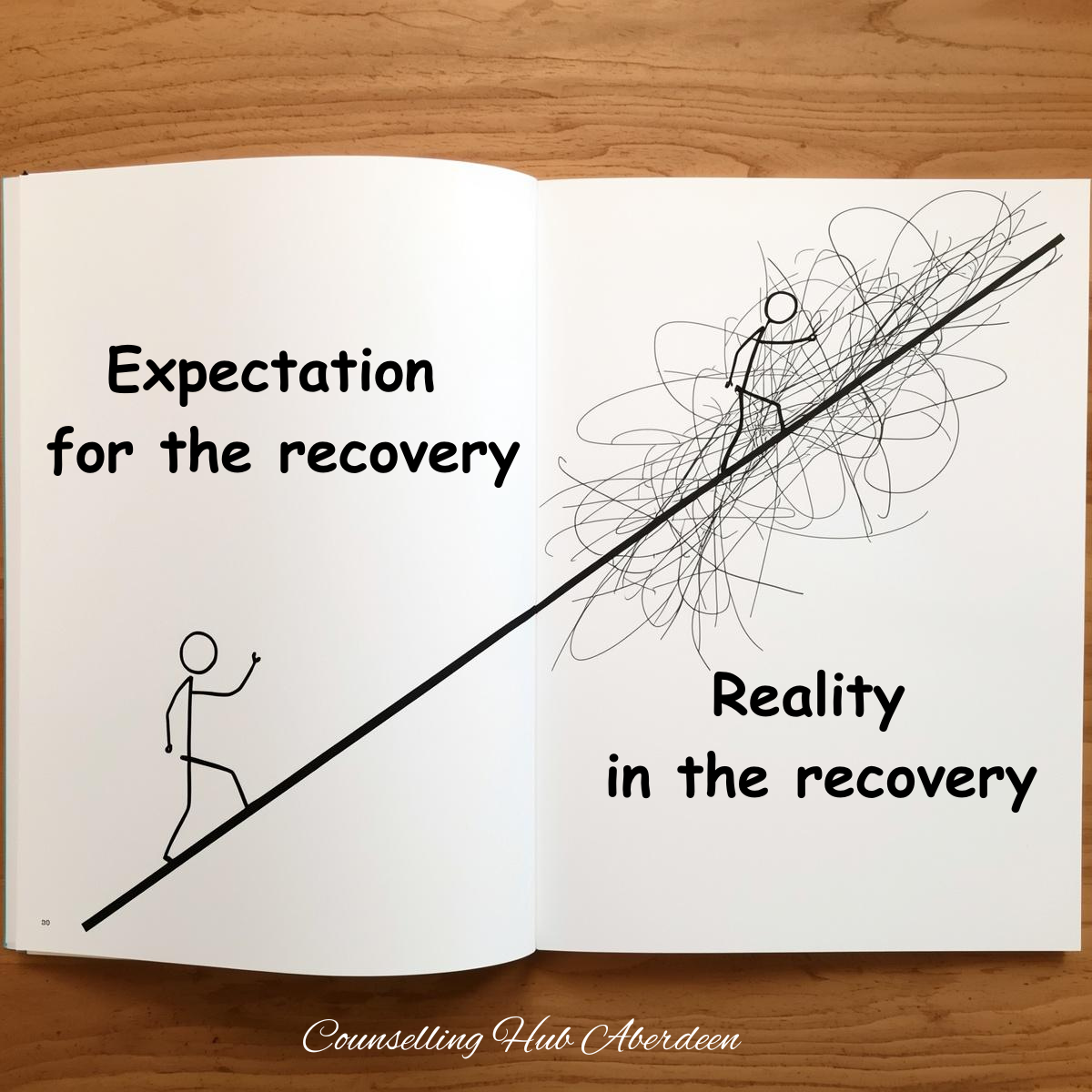
A Note on Patience
Recovery is rarely a straight line. It looks more like a messy spiral—some days you’ll feel like you’ve conquered the world, and other days a specific smell or sound might send you back to square one. That isn’t failure; it’s processing.
Remember: You are not what happened to you. You are the person who lived through it, and that makes you an architect of your own resilience.
The 7-Day Grounding Toolkit
This 7-day plan focuses on grounding, the practice of shifting your focus away from emotional pain or flashbacks and back to the present moment. Each day introduces a different "anchor" to help stabilize your nervous system.
Day 1: Senses
The 5-4-3-2-1 Method: Name 5 things you see, 4 you can touch, 3 you hear, 2 you smell, and 1 you can taste. Forces the brain to switch from "survival mode" to "observation mode."
Day 2: Touch
Temperature Shock: Hold an ice cube in your hand or splash cold water on your face for 30 seconds. Cold temperatures provide a safe "jolt" that resets the vagus nerve.
Day 3: Breath
Box Breathing: Inhale for 4, hold for 4, exhale for 4, hold for 4. Repeat 3 times. Regulates the heart rate and sends a "safety" signal to the brain.
Day 4: Movement
The "Tree" Stance: Stand barefoot. Imagine roots growing from your feet into the floor. Wiggle your toes and feel the floor's texture. Connects you physically to the earth, countering feelings of "floating" or dissociation.
Day 5: Sound
External Anchoring: Put on headphones and find 3 distinct instruments in a song, or step outside and find 3 distinct bird or traffic sounds. Redirects the internal "noise" of intrusive thoughts to external reality.
Day 6: Cognitive.
Categories Game: Pick a category (e.g., dog breeds, cereal brands, or cities) and name as many as you can in 60 seconds. Engages the prefrontal cortex, which often "shuts down" during a trigger.
Day 7: Muscle.
Progressive Relaxation: Tense your toes for 5 seconds, then release. Move up to your calves, thighs, and so on. Releases the physical "armor" or tension that trauma survivors often carry.
How to use this plan
* Don't wait for a crisis: Practice these for 2 minutes each morning when you are calm. This builds "muscle memory" so the tool is easier to grab when you're actually stressed.
* Keep a "Soothe Bag": By Day 7, pick the two techniques that felt best and keep a physical reminder of them (like a smooth stone or a specific scent) in your pocket.
If you're going through a difficult time, remember that there are professionals like trauma therapists, psychotherapists, or counselors who can offer support.