
"Why Don’t They Just Leave?"
Understanding the Complexities of Staying in an Abusive Relationship
"Why do you stay?" It is a question that is far too often asked with judgment, confusion, or impatience. For those looking in from the outside, the solution to an unhealthy or abusive relationship can seem straightforward: if someone is hurting you, you leave.
However, anyone who has experienced an emotionally, psychologically, or physically abusive relationship knows that leaving is rarely a simple choice. It is a process, tangled in deep psychological mechanisms, survival strategies, fear, and emotional bonds.
If you are asking yourself why you, or someone you care about, haven't left, it is essential to replace judgment with understanding. Here are some of the primary reasons why staying in an abusive relationship happens, and why it is so difficult to walk away.
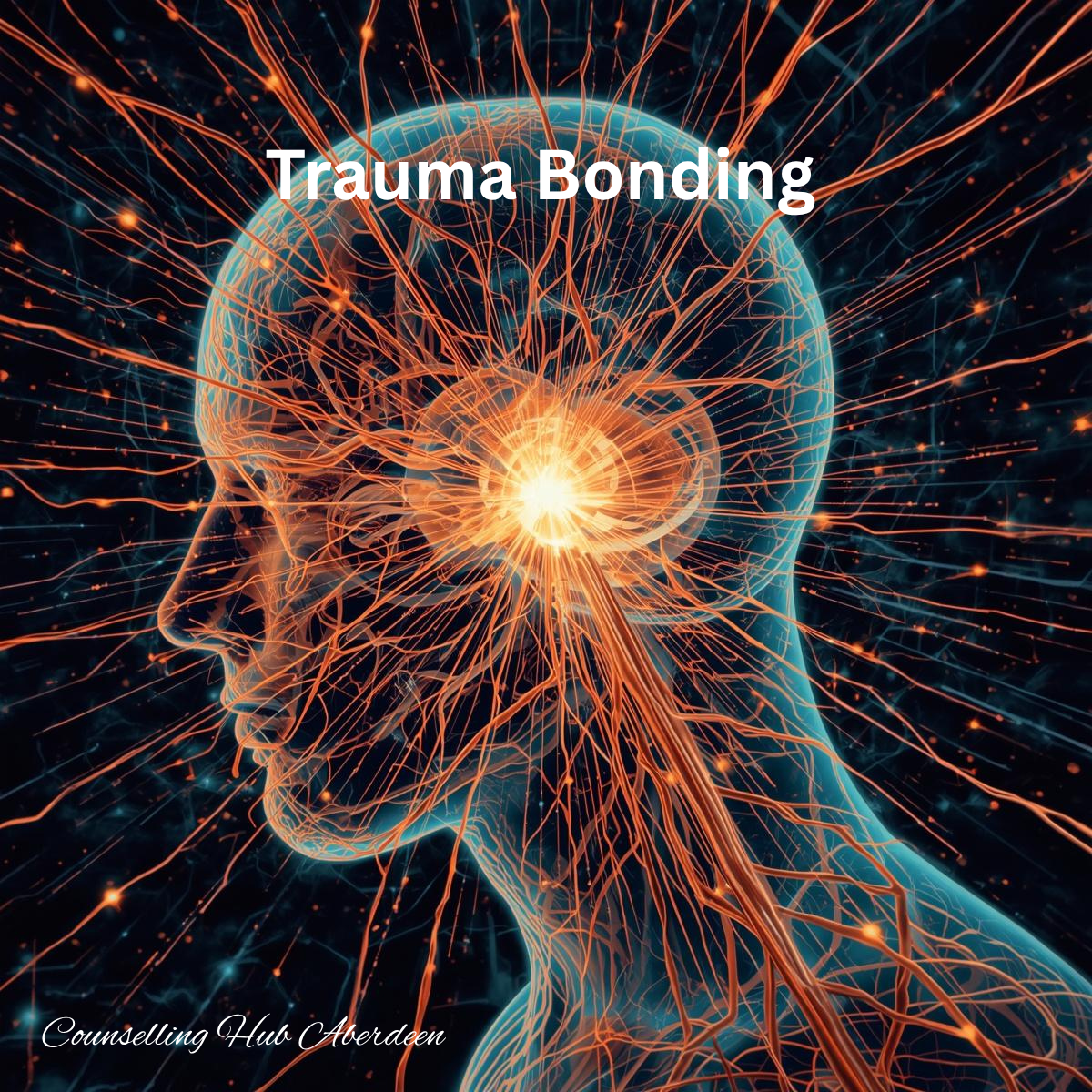
The Power of Trauma Bonding
One of the most potent reasons people remain in abusive relationships is a psychological phenomenon known as trauma bonding.
Abuse is rarely constant; it almost always occurs in a cycle. Periods of tension and conflict are followed by abusive episodes, which are then followed by phases of intense remorse, affection, apologies, and promises to change. It is often referred to as the "honeymoon phase".I view this behavior as a wave that crashes into and destroys everything in its path, only to leave behind a brief moment of peace as it recedes, even though we are all fully aware that it will eventually return.
It’s hard to stay angry or hold a grudge against someone when they truly show remorse for their actions.
"I am so, so sorry for screaming at you. I just lost control because I love you so much and I'm terrified of losing you. Look, I bought your favourite flowers. Let me take you away for the weekend—I promise I'll change."
Hearing this can make you confused and leave you thinking,
"See? They do love me. They didn't mean to hurt me—they're just stressed. Things are going to be better now."
This unpredictability creates a powerful neurochemical cycle. The brain becomes wired to seek the relief and comfort that comes when the partner returns to being kind and loving. This roller-coaster creates a deep, addictive bond that makes the thought of leaving feel emotionally unbearable.

Cognitive Dissonance and Hope
When a relationship begins, the abusive partner is often warm, attentive, and deeply charming. As abuse slowly creeps in, the victim is left holding two conflicting realities:
The person who loved, cherished, and understood them.
The person who degrades, controls, or harms them.
This creates a state of intense cognitive dissonance, a persistent mental struggle where your mind desperately tries to reconcile two contradictory realities. Most people naturally cling to a sense of hope, firmly believing that if they just try a little harder, improve their communication, or wait out the storm long enough, the deeply loving person they initially fell for will return and stay for good.
Friends or family members often spot the abusive patterns long before you do and may attempt to voice their valid concerns to you. Yet, you will likely dismiss them, automatically attempting to explain that it isn’t like that at all. You will point to specific examples of how loving and caring your partner can be, desperately clinging to the memory of the same guy you fell in love with.

Gaslighting and the Erosion of Self-Trust
Abuse gradually undermines self-worth. By subjecting a partner to persistent criticism, blame-shifting, and gaslighting- the act of manipulating someone into doubting their own sanity or perception- an abuser systematically takes away the victim's self-assurance.
Gaslighting is an insidious form of psychological manipulation, where an abusive partner systematically erodes your perception of reality, memory, and judgment. It rarely begins with aggression; instead, it slowly infiltrates a relationship through tiny discrepancies, subtle misdirections, and persistent denial.
As time passes, this relentless distortion of the truth compels you to second-guess your own senses, leading to a profound breakdown in self-trust:
Outright Denial: The partner lies about past events, conversations, or commitments, speaking with such conviction that you begin to doubt your own memory.
Pathologizing Normal Reactions: Framing your valid emotional responses—such as hurt, anger, or confusion—as evidence that you are "unstable," "crazy," or "overly dramatic."
Shifting Responsibility: Turning their own misconduct around so that their abusive behavior is framed as a natural consequence of your supposed flaws.
Does this sound familiar?
I never said that; You're misremembering things again, just like you always do; You're paranoid and overly sensitive; no wonder I have to walk on eggshells around you.
The cumulative effect of gaslighting is mental fatigue and deep self-doubt. When you can no longer trust your own mind, memory, or emotional reactions, you become dependent on your partner to define reality for you. This loss of internal ground makes it exceptionally difficult to identify abuse clearly, let alone gather the confidence required to leave.
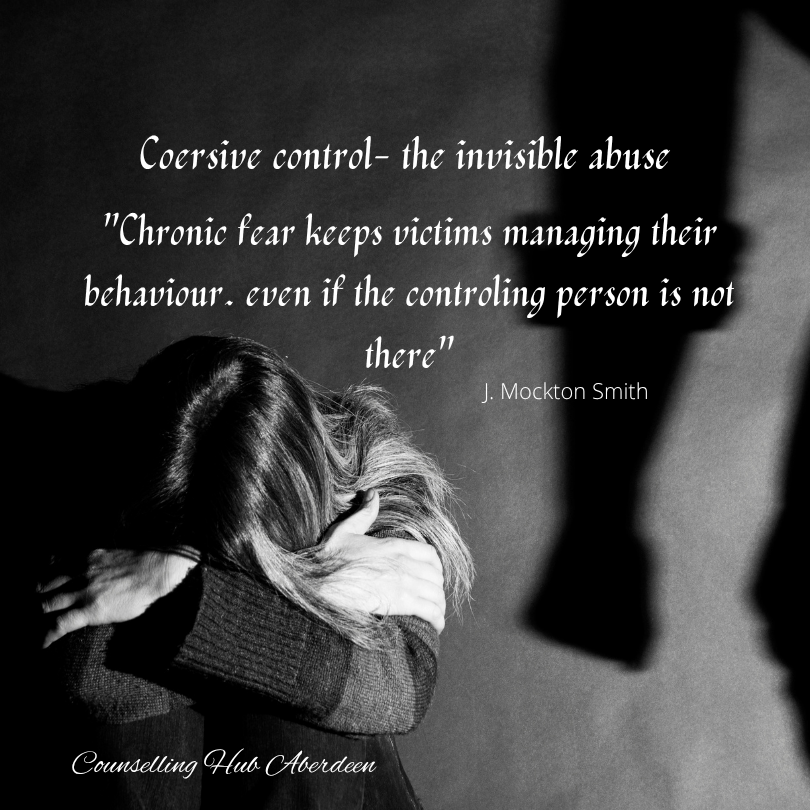
Fear and Safety Concerns
Fear in an abusive relationship is not an abstract emotion; it is a real-time, survival-based risk assessment that dictates every move a victim makes. For many, staying is not a sign of submission, but a calculated strategy to manage risk and keep themselves, their children, and their pets safe.
When an abusive partner realizes they are losing control, their tactics often become far more unpredictable and extreme. The fear of what will happen upon leaving is usually rooted in very real, explicit threats:
Fear of Physical Escalation and Lethality: Statistically, leaving is the most dangerous timeframe in an abusive relationship. When an abuser senses a total loss of power, their behavior often escalates into severe physical violence, stalking, or lethal harm.
Weaponizing Children and Custody: Abusive partners frequently threaten to take children away, make false allegations to social services, or drag out ruinous legal battles to ensure the victim loses parental rights. "If you walk out that door, you will never see the kids again. I will make sure everyone knows what a terrible parent you are, and I'll ruin your life before I let you leave me."
Threats to Harm Pets or Loved Ones: Abusers know what their partner holds dear and often threaten to harm, rehome, or abandon pets, destroy cherished personal belongings, or harass family members if the victim steps out of line.
Coercive Suicide Threats: Abusers regularly weaponize threats of self-harm or suicide. By claiming they cannot live without the partner, they exploit the victim's empathy and transfer the moral weight of their own life onto the victim's shoulders. "If you leave me, I have nothing left to live for. You know I can't survive without you. If I do something drastic tonight, it will be entirely on your conscience."
Reputational and Professional Destruction: Victims often fear post-separation harassment, such as an abuser contacting their employer, spreading private or defamatory information online, or isolating them further from their community.
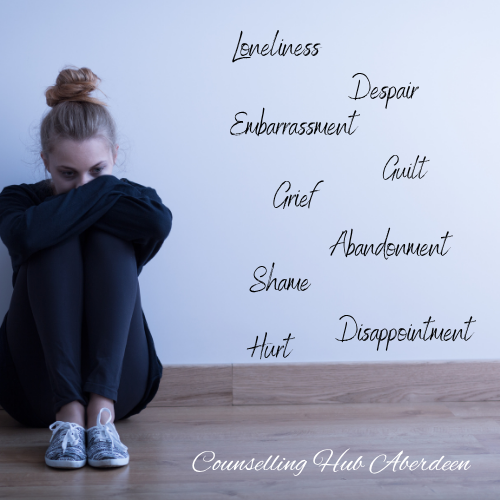
Isolation and Shame
A profound sense of shame only deepens this isolation. Acknowledging that a relationship has turned abusive can be paralyzing, leading many to remain trapped by the fear of being judged, shamed, or misunderstood by those closest to them.
Abusive partners frequently employ subtle, insidious tactics to isolate their significant others from friends, family, and vital support systems. Victims are often manipulated into feeling profound guilt for simply wanting to visit or connect with their loved ones. They may be told that their family or friends lack genuine affection for them or are being overly critical of the relationship, creating a rift between the victim and those who care about them. These persistent accusations, compounded by the internal shame stemming from a struggling relationship, compel the victim to withdraw from the world outside their partnership to avoid further conflict.
As time passes, the victim's world steadily narrows, stripping away their outside perspective. This isolation leaves the abusive partner as the sole provider of information, social connection, and emotional validation, making it increasingly difficult for the victim to recognize the abuse or reach out for help.
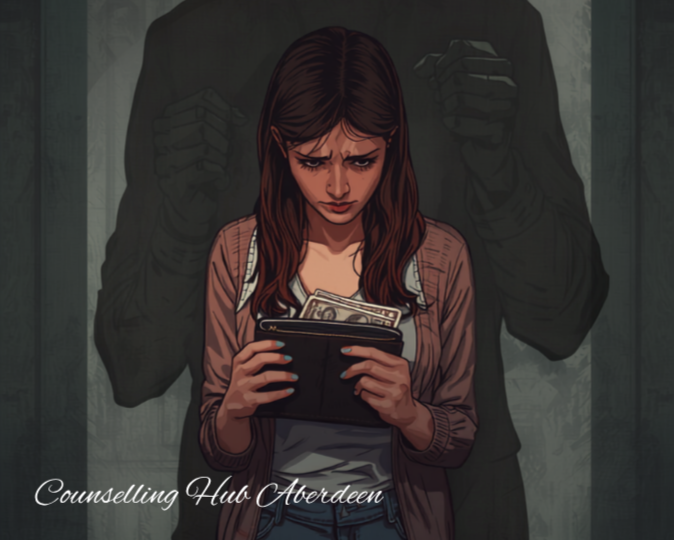
Practical and Financial Barriers
Financial abuse occurs when a partner controls, steals, or manipulates money and financial resources to create total dependence, limit freedom, and make leaving the relationship extremely difficult. It subtly erodes an individual's independence through three primary mechanisms: control, sabotage, and exploitation.
Leaving requires significant resources. Abusive relationships often involve deep financial control, where one partner dictates the flow of money, prevents the other from working, or strictly limits access to essential bank accounts.
Without independent financial means, stable housing options, or a clear safety net to fall back on, the process of leaving can feel practically impossible to navigate—especially when the safety and well-being of children or pets are also involved.
Reframing the Narrative: Leaving is a Journey
Escaping an abusive relationship isn't a snap decision; it’s a slow, steady journey of reclaiming your voice, mending your self-worth, and finding safety.
If you currently feel trapped in a relationship where you’re unsafe, controlled, or worn down, keep this in mind:
It is not your fault.
Your confusion and feelings are valid.
You don't need to solve everything in an instant.
Recovery starts with self-compassion. Identifying the subtle forces keeping you tethered is the vital first step toward exploring your options and constructing a future defined by peace, respect, and safety.
Need Support?
If you or someone you know is navigating an abusive or toxic relationship, reaching out for confidential, non-judgmental support can make all the difference.
Professional Counselling: Therapy provides a safe, confidential space to explore your feelings, process trauma, and regain confidence at your own pace.
Helplines & Emergency Support (UK):
Scotland’s Domestic Abuse and Forced Marriage Helpline: 0800 027 1234 (Available 24/7)
National Domestic Abuse Helpline: 0808 2000 247
Emergency Services: If you are in immediate danger, always call 999.